Unemployment Benefit Fraud: Penalties, How to Avoid Accidental Violations & Report Identity Theft
Unemployment fraud sounds like something only criminals do — filing fake claims, stealing identities, collecting benefits while working full-time under a different name. But the reality is far more nuanced. Most fraud investigations do not target career criminals. They target ordinary claimants who made a mistake on their certification, forgot to report a few days of part-time work, or misunderstood a reporting rule that seemed straightforward but turned out to have exceptions they did not know about. The unemployment system is complicated, and the certification questions are sometimes confusing. A single honest error can trigger a fraud investigation, an overpayment notice, and penalties that far exceed the amount of the mistake.
This guide covers three critical topics: what actually constitutes unemployment fraud, the penalties you face if the agency finds a violation (whether intentional or accidental), and how to protect yourself from identity theft fraud where someone else uses your information to file a false claim. Understanding all three dimensions is essential because the consequences of fraud — even accidental fraud — can follow you for years, affect your tax records, and permanently bar you from receiving benefits in the future. If you are new to the unemployment process, start with our complete guide to applying for unemployment benefits to get the basics right from the beginning.
What Counts as Unemployment Benefit Fraud
Unemployment fraud is broadly defined as any action that results in receiving benefits you are not entitled to. This includes deliberate schemes and honest mistakes — the agency does not always distinguish between the two when issuing penalties. Understanding what behaviors qualify as fraud helps you avoid accidental violations and recognize when someone else is using your identity to commit fraud.
💼 Working While Collecting Without Reporting Earnings
This is by far the most common type of unemployment fraud — and the one that most frequently results from honest mistakes rather than deliberate deception. When you certify for benefits each week, you are required to report any earnings from work, including part-time wages, gig economy income, freelance payments, cash jobs, and self-employment revenue. Many claimants misunderstand what counts as reportable income. For instance, some people believe that gig work through platforms like Uber, DoorDash, or TaskRabbit does not need to be reported because it is not a "real job." Others think that earning less than a certain amount — say, $50 in a week — is too small to report. Both assumptions are wrong. Every dollar earned during a certification period must be reported, regardless of the source, the amount, or whether it was paid in cash or through a digital platform.
If you are working part-time and wondering how earnings affect your weekly benefit, our guide on working part-time while collecting unemployment explains the partial benefit calculation that most states use — you can often keep some of your benefits while earning a reduced income, as long as you report honestly.
📄 Filing a Claim With False or Incomplete Information
Providing incorrect information on your initial unemployment application is another common fraud category. This includes misrepresenting your reason for separation from your employer — for example, claiming you were laid off when you actually quit voluntarily, or stating you were terminated without cause when you were fired for misconduct. It also includes exaggerating your earnings history to qualify for a higher benefit amount, claiming employment in a state where you did not actually work, or failing to disclose that you are currently employed elsewhere. Each of these actions constitutes fraud, even if you believed the information was accurate at the time you filed. The agency investigates by cross-referencing your claim data with employer wage reports, state tax records, and the national Directory of New Hires — a database that tracks new employment across all states.
If you made an honest mistake on your application, the difference between your intent and a deliberate fraud scheme matters during an investigation, but it does not change whether the violation itself occurred. The guide on application mistakes that delay your claim covers the most common filing errors — correcting them proactively is far better than waiting for the agency to discover them.
🔍 Failing to Report a Job Refusal
When you are offered suitable work and refuse it without a valid reason, you are required to report the refusal on your next certification. Omitting this information is considered fraud, even if you did not intend to deceive the agency. The unemployment system has multiple channels for learning about job refusals — employers report them, workforce agencies track referrals, and some states directly verify job acceptance through employer follow-up surveys. If the agency discovers that you refused a suitable offer and did not report it, the consequences include both the refusal penalty and the fraud penalty, which compound significantly. To understand what counts as a valid refusal reason, our guide on refusing job offers while on unemployment covers the full legal framework.
🆔 Identity Theft: Someone Filing a Claim Using Your Information
This type of fraud does not involve your actions at all — it involves someone else using your Social Security number, name, and employment history to file a false unemployment claim and collect benefits that are routed to their bank account or prepaid card. Identity theft fraud surged during periods of high unemployment when state agencies relaxed verification procedures to process claims faster. If you receive a letter, email, or 1099-G tax form from a state unemployment agency for benefits you never filed for or received, you are likely a victim of identity theft fraud. This is not your fault, but you must act immediately to report it and protect your tax records. The reporting process is covered in detail later in this guide.
Fraud Penalties: What Happens When You Are Caught
The penalties for unemployment fraud are severe — intentionally severe, because the system is designed to deter fraudulent claims and protect the integrity of the trust fund that pays benefits to eligible workers. Even if your violation was accidental, the penalties apply. Here is exactly what happens when the agency discovers a fraud violation on your claim.
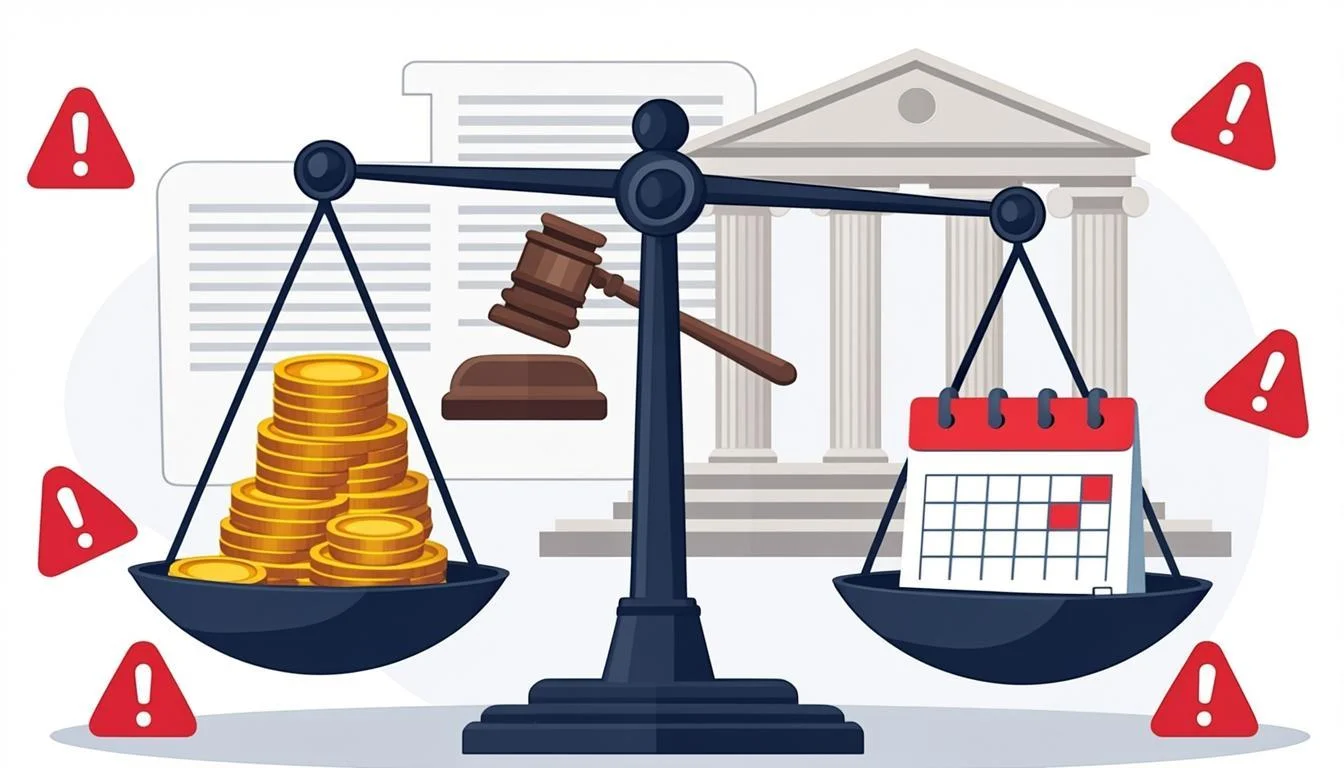
Fraud penalties include repayment, penalty weeks, interest, and potential criminal prosecution — the severity increases with the amount and intent.
💳 Full Repayment of All Fraudulent Benefits Received
The first and most immediate consequence is that you must repay every dollar of benefits you received that you were not entitled to. This is called an overpayment, and it includes both the benefits you received during weeks when you violated the rules and any future benefits you would have received during your penalty period. If you collected $5,000 in benefits while working unreported part-time hours, you owe $5,000 back to the state — plus interest in many states, plus penalties that can add another 15 to 50 percent on top of the overpayment amount. The repayment obligation does not disappear if you cannot afford it. The agency can garnish your future wages, intercept your tax refunds, place liens on your property, and in some states, deduct repayment from any future unemployment claims you file for years to come. For more on how overpayments work, our guide on unemployment overpayment covers repayment plans, waiver requests, and your options when facing an overpayment notice.
⏱️ Penalty Weeks: Additional Disqualification Beyond Repayment
In addition to repaying the fraudulent benefits, most states impose penalty weeks — a period during which you cannot receive any benefits even if you otherwise qualify. The number of penalty weeks varies by state and by the severity of the violation, but typical ranges are 15 to 26 weeks for a first offense and 52 weeks or more for repeat violations. Some states, like California, impose 15 penalty weeks for a first fraud finding and up to 52 weeks for subsequent violations. Other states, like New York, use a formula based on the number of fraudulent weeks multiplied by a penalty multiplier. During the penalty period, you still need to certify, you still need to meet job search requirements, but you receive zero benefits. The penalty weeks effectively extend the financial hardship of your fraud violation well beyond the amount of the overpayment itself.
| State | First Offense Penalty Weeks | Additional Penalties |
|---|---|---|
| California | 15 weeks | 52 weeks for repeat offense; 15% surcharge on overpayment |
| New York | Variable (fraud weeks × multiplier) | Interest on overpayment; possible criminal charges |
| Texas | Variable (agency determination) | 15% penalty on overpayment; criminal prosecution possible |
| Florida | Variable (often 25+ weeks) | Full claim cancellation; criminal prosecution for large amounts |
| Illinois | Variable (typically 15-30 weeks) | 15% penalty on overpayment; interest accrues |
| Pennsylvania | Variable (fraud weeks × penalty factor) | Interest; criminal charges for amounts over $2,000 |
| Ohio | Variable (typically 13-26 weeks) | Interest on overpayment; potential criminal charges |
Penalty ranges are approximate and vary based on individual circumstances and violation severity.
⚖️ Criminal Prosecution for Large or Deliberate Fraud
Most fraud investigations result in civil penalties — repayment, penalty weeks, and surcharges. But deliberate fraud schemes involving large amounts of money or organized identity theft operations can trigger criminal prosecution. The threshold for criminal charges varies by state — some states prosecute any fraud over $2,000, others require evidence of an organized scheme or repeated violations. Criminal convictions carry additional penalties including fines (often $5,000 to $25,000), probation, and in extreme cases, jail time of up to five years. Criminal records also affect your future employment prospects, your ability to hold certain professional licenses, and your eligibility for government programs. For most individual claimants, criminal prosecution is unlikely unless the fraud amount is substantial and the violation was clearly deliberate — but the possibility exists, and it underscores the importance of honest certification reporting.
📊 Tax Consequences: The 1099-G Problem
When you receive unemployment benefits, the state issues a Form 1099-G reporting the amount to the IRS. If a fraud investigation determines that some or all of those benefits were not legitimately owed, you still received the 1099-G — and the IRS expects you to report that income on your tax return. If you repay the fraudulent benefits, you can often claim a deduction or credit for the repayment amount, but the tax reporting process becomes complicated. You may need to file an amended return, and if the fraud determination happens after you have already filed your taxes, correcting the records can take months. Our article on how unemployment affects your taxes provides a detailed breakdown of 1099-G reporting, tax withholding options, and what to do when your benefit amount changes after you have already filed.
How to Avoid Accidental Fraud Violations
Most claimants who face fraud penalties did not intend to cheat the system — they made a mistake on their certification, misunderstood a reporting requirement, or simply forgot to update their information. Here are the specific steps you can take to avoid accidental violations and keep your claim clean.
The certification process is the single most important area where accidental fraud happens. Our guide on certifying for unemployment benefits walks through each question on the certification form, explains what each one means, and highlights the common pitfalls that lead to accidental violations. Reading it before your first certification can save you from mistakes that carry serious penalties.
Identity Theft Fraud: How to Protect Yourself and Report It
Identity theft fraud is a different kind of problem — you are not the perpetrator, you are the victim. But the consequences still affect you, particularly your tax records. If someone filed an unemployment claim using your Social Security number and personal information, they collected benefits under your identity, and the state issued a 1099-G form to the IRS reporting those benefits as your income. When you file your taxes, the IRS will see unemployment income that you never received, and the discrepancy can delay your refund, trigger an audit, or create a tax bill you do not owe. This is why acting quickly to report identity theft fraud is essential.
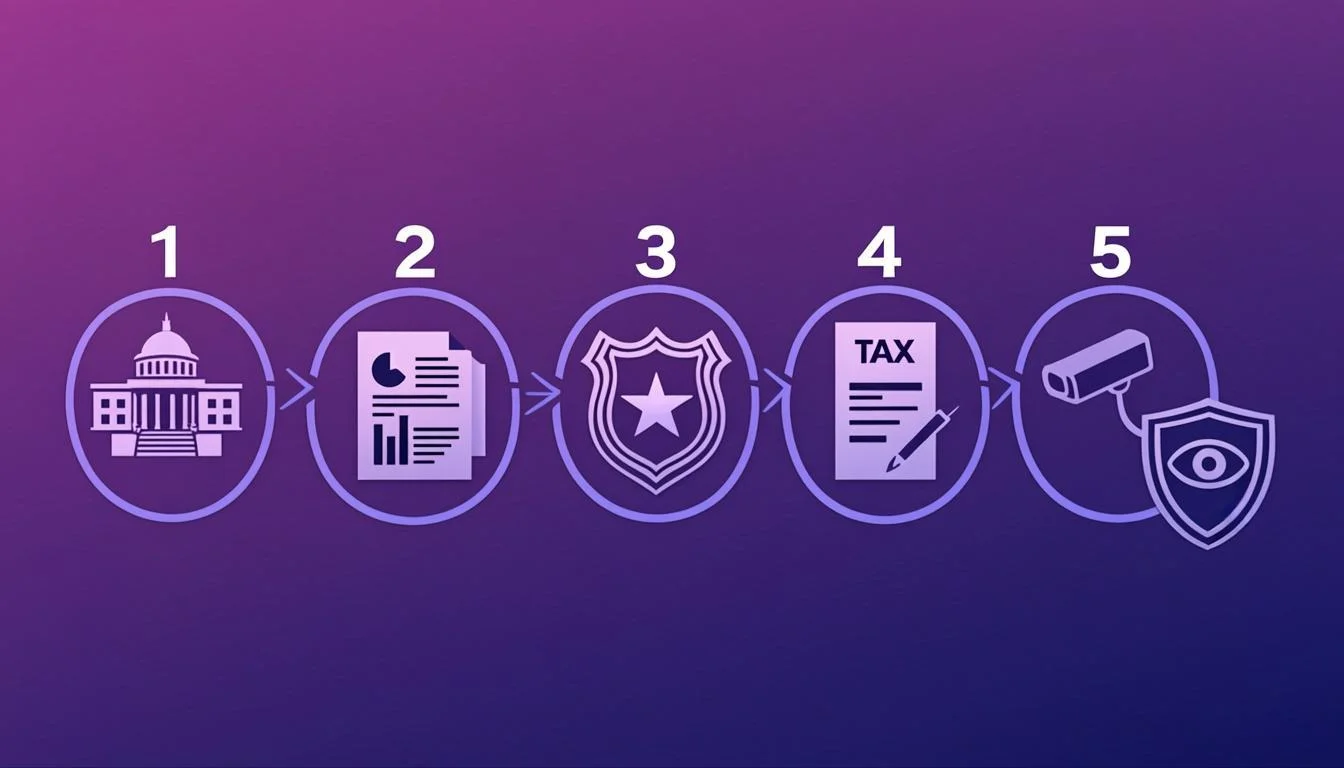
Report unemployment identity theft to the state agency, the FTC, and local police immediately — delay can affect your tax records and credit.
🚩 Signs That Someone Filed a Fraudulent Claim Using Your Identity
The most common red flags include: receiving a 1099-G tax form from a state where you did not file for unemployment, getting letters or emails from an unemployment agency about a claim you never submitted, discovering that your unemployment portal account has been accessed or modified without your knowledge, receiving a prepaid debit card in the mail loaded with unemployment benefits you never requested, or being contacted by an employer who received a notice about a claim filed against their company by someone using your name. Any of these signs should trigger immediate action.
📋 Step-by-Step Reporting Process
The Investigation Process: What to Expect
When the unemployment agency detects a potential fraud violation — whether through cross-reference databases, employer reports, or a discrepancy in your certification — the investigation follows a structured process. Understanding what happens at each stage helps you prepare your defense and respond appropriately.
The investigation typically begins with a data match — the agency’s automated system flags a discrepancy between your reported information and records from other sources. For example, the national Directory of New Hires shows that you started a job on March 5, but your certification from March 6 onward reported that you were not working. Or your employer’s wage report shows earnings of $1,200 during a period when you reported zero earnings. The data match generates an alert, and a claims examiner reviews the details to determine whether a fraud investigation is warranted.
If the examiner decides to proceed, you receive a written notice requesting additional information or scheduling an interview. This is your opportunity to explain the discrepancy. If the error was honest — you misunderstood a question, you forgot to report a small payment, you reported net instead of gross earnings — explain the situation clearly and provide supporting documentation. The examiner will make a determination based on your explanation and the evidence. If the examiner concludes that the violation was an honest mistake rather than deliberate fraud, you may still face an overpayment repayment requirement but the penalty weeks and criminal prosecution risk are usually waived. Deliberate fraud, on the other hand, triggers the full penalty structure. If you disagree with the determination, you have the right to appeal. The appeal process guide covers how to prepare and present your case effectively.
If your claim was flagged because of something beyond your control — such as identity theft — the investigation process is different. You should proactively contact the agency before they contact you, explain the situation, and provide your FTC and police reports. Most state agencies have specialized identity theft units that handle these cases separately from regular fraud investigations, and the resolution process is typically faster when you have complete documentation ready.
How to Fix an Accidental Violation Before It Becomes a Fraud Finding
The best time to fix an accidental violation is before the agency discovers it. If you realize that you made an error on a past certification — you forgot to report earnings, you answered a question incorrectly, or you omitted a job refusal — you can proactively correct the record by contacting the unemployment agency and requesting a certification amendment. Most states allow retroactive corrections, and proactively reporting your own mistake is viewed very differently from a violation discovered through a data match investigation.
When you request an amendment, the agency will recalculate your benefits for the affected weeks. If you received benefits that you were not entitled to because of the error, you will receive an overpayment notice for the difference. However, because you self-reported the error, the agency is much less likely to impose penalty weeks or treat the violation as fraud. The distinction between self-reported errors and agency-discovered discrepancies is significant — self-reporting demonstrates honesty and good faith, which substantially reduces the likelihood of fraud classification and the severity of penalties.
This proactive approach also applies to other aspects of your claim. If your employment situation changes — you start working part-time, you receive a raise, your job search activity changes — update your information on your next certification immediately. The certification guide covers the specific questions that require updates and the deadlines for submitting changes. Staying current and accurate is the single most effective strategy for avoiding fraud problems throughout your claim.
Frequently Asked Questions
The Bottom Line
Unemployment fraud penalties are severe — and they apply to accidental violations as well as deliberate schemes. The most common trigger is unreported earnings, which often results from misunderstanding certification requirements rather than an intent to deceive. The consequences include full repayment with interest and surcharges, penalty weeks that strip away future benefits, potential criminal prosecution for large or deliberate cases, and long-term impacts on future claims and tax records. Identity theft fraud creates a separate set of problems that primarily affect your tax records, but they are equally urgent and require immediate reporting.
The best defense is proactive honesty. Report every dollar of earnings on your certification, answer every question truthfully, update your information immediately when your circumstances change, and self-report any mistakes before the agency discovers them. Proactive correction dramatically reduces the likelihood of fraud classification and the severity of penalties. If you are a victim of identity theft fraud, act quickly — report to the state, the FTC, the police, and the IRS within days of discovering the problem. The longer you wait, the harder it becomes to untangle the fraudulent records from your legitimate tax and benefit history.
For a comprehensive understanding of the unemployment system, our eligibility guide, disqualification guide, and application walkthrough cover every aspect of filing, receiving, and maintaining your claim correctly from the start.

Wasim Akram
Verified AuthorFounder & Lead Researcher, UnemploymentBenefitsCalculator.com
Wasim personally researches, writes, and reviews every article on this site. His expertise spans unemployment benefits policies across all 50 U.S. states, drawn from systematic research into state workforce agencies and Department of Labor guidelines.