Last updated: October 13, 2026. Interstate filing rules and processing times vary by state - confirm with the paying state's workforce agency before you file.
You live in New Jersey but your job was in New York. You reside in Virginia but drove to DC for work. You moved to Texas after a layoff in California. Now you need jobless aid. Which state do you file in? Can you get checks from a state where you no longer live? The answer is yes. But the rules matter a lot.
Interstate claims are common. Many workers cross state lines for jobs. The unemployment system has a way to handle this. It is called an interstate claim. This guide walks you through the whole process. You will learn which state pays you. You will learn how to file. You will learn what pitfalls to avoid.
What Is an Interstate Unemployment Claim?
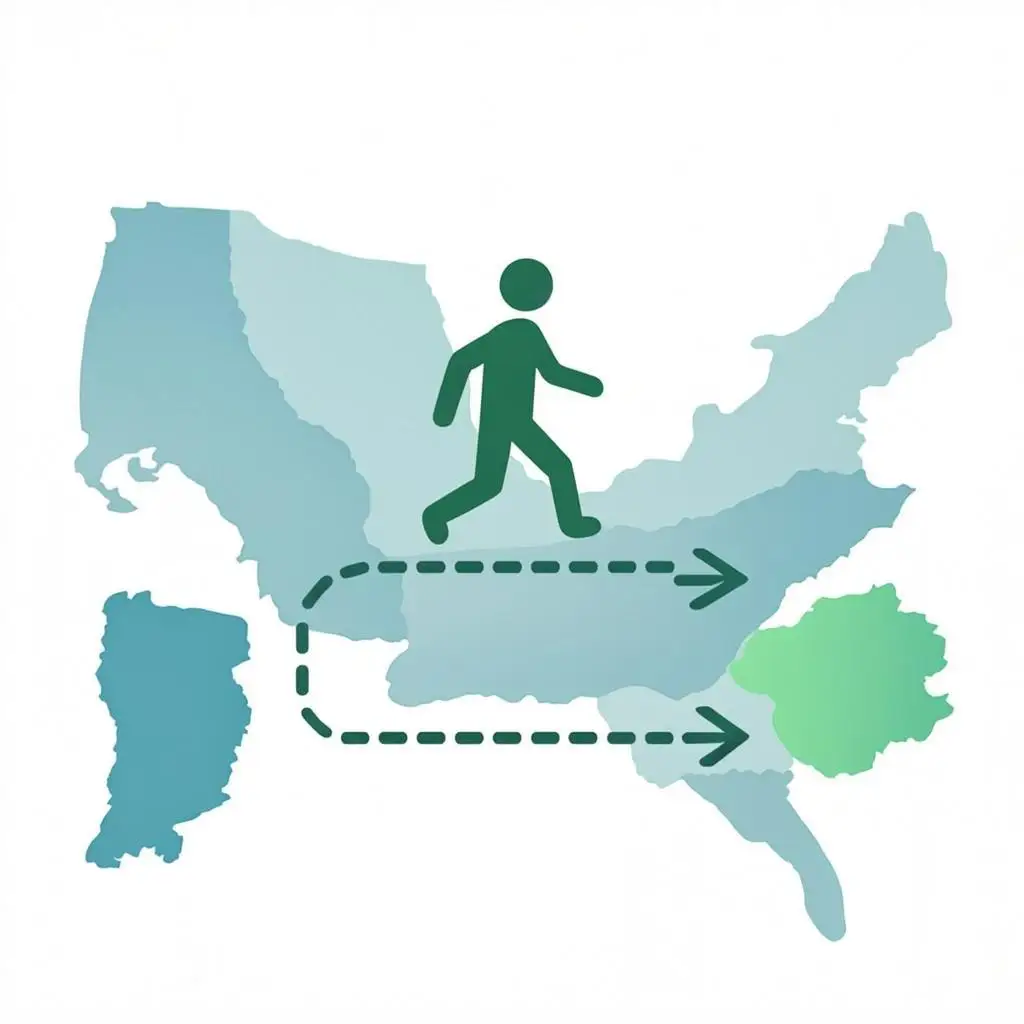
An interstate claim is any claim where you file for jobless aid in a state other than where you currently live. This happens when your wages were earned in a different state. The state where you worked is the one that pays your benefits. Your home state does not pay. The work state does.
The system works because all states share wage data. When you file the work state pulls your wage records. They check if you earned enough to qualify. They apply their own rules for the sum and the length of aid. Your home state has no say in how much you get. The paying state sets the terms.
Before you start it helps to understand how to file your claim online in the work state. Each state has its own website. Some are easy to use. Others are clunky. But all of them accept out-of-state filers. You just need to pick the right state when you start.
Which State Do You File In?
The rule is simple. You file in the state where you earned the wages. Not where you live. Not where you were born. Not where your family is. The work state pays. If you worked in two states you may be able to combine wages. But you still file in one state.
Suppose you lived in Pennsylvania and worked in New Jersey. You file in New Jersey. New Jersey looks at your wages earned there. They decide if you qualify. They set your weekly sum based on New Jersey rules. Pennsylvania is not involved at all even though that is where you sleep at night.
If you worked in multiple states things get more complex. You can pick which state to file in. But you should pick the one that gives you the best deal. That might mean higher weekly pay. It might mean a longer claim period. It helps to know how much your weekly benefit will be in each state before you choose.
How to File an Interstate Claim
Filing an interstate claim is not hard. But it takes a few extra steps compared to a local claim. You must contact the work state directly. You cannot file through your home state. Your home state will not forward your claim. You go straight to the paying state.
Most states let you file online. Go to the work state website. Create an account. Fill in your details. When it asks for your address list your current address. The system will see you live out of state and flag it as an interstate claim. This is normal. You will not be penalized for living elsewhere.
Some states want you to call instead of filing online. If the website gives you trouble call the claims center. Tell them you live in a different state. They will walk you through the steps. When you file your unemployment application online make sure all your employer info is correct. Wrong employer details slow things down.
How Long Does an Interstate Claim Take?
Interstate claims often take a bit longer than local ones. The work state must verify your wages across state lines. That adds time. You might wait three to five weeks for your first check instead of two to three. The delay comes from the extra checks the state must do.
Knowing how long until your first check arrives helps you plan. Have some savings ready. Do not count on the money arriving in one week. Interstate claims need more processing. The paying state may also have a waiting week. That adds another week of delay.
Once the claim is approved and your first check arrives the rest is smooth. You certify on schedule. The checks come on time. The only difference is you might get a debit card from the paying state. Or you might need to set up direct deposit with a bank the work state supports.


Combining Wages From Multiple States
What if you worked in two or three states in the past year? You might not have enough wages in any single state to qualify. This is where combining wages helps. Many states let you combine wages from more than one state to meet the earnings test.
You pick one state as your paying state. That state pulls in wages from the other states where you worked. They add them together. If the total meets their threshold you qualify. This is called a combined wage claim. It is very helpful for folks who moved for work or had jobs near state borders.
The paying state still sets the rules. Their formula decides your weekly sum. Their rules decide how long you can collect. The other states just supply wage data. They do not get a vote in your claim. Always ask the paying state if they allow combined wages before you assume they do.
Wondering how much each week is worth? Our free weekly benefit calculator estimates your check from your state's formula in under a minute.
Job Search Rules for Interstate Claims
Here is a tricky part. You file in the work state. But you live in a different state. Where do you look for jobs? The answer is your home area. You must be ready and able to work where you live. The paying state cannot expect you to move back just to find work.
You must meet job search requirements you must meet as set by the paying state. But the actual job hunt happens in your current area. Apply for jobs near your home. Keep a log. Record every application. The paying state may audit your search at any time.
Some states want you to register with the job service in your home state. This is common. The work state and your home state share data. If you fail to register the paying state may stop your checks. It takes five minutes to register. Do it the same day you file your claim.
Certifying From Out of State
You must certify on the paying state schedule. Some states want weekly certs. Others want biweekly. The paying state decides. When you certify for your weekly benefits you report any income. You say you are able and free for work. You confirm you looked for jobs. This is the same as any other claim.
Most states let you certify online. A few want you to call. Either way you follow the paying state rules. Your home state has no role in your certs. You do not contact them. You deal only with the state that pays you. Keep your contact info current so you do not miss any forms or deadlines.
If you start earning side cash report it. If you work part-time while on benefits the paying state will reduce your check. But you still come out ahead. Part-time pay plus a reduced check beats no check at all. Just report honestly every week.
What If You Moved After the Layoff?
Moving does not change where you file. You still file in the state where you earned wages. Say you lived in Illinois and lost your job there. Then you moved to Indiana to stay with family. You still file in Illinois. Illinois pays your claim based on Illinois rules. Indiana is not involved.
You must be able and free for work in your new location though. If you moved far away from your old job market the paying state may ask how you plan to find work. Be ready to show you are looking in your new area. This is similar to knowing getting benefits when you quit your job to relocate — the state wants proof you had good cause and are still seeking work.
Keep your address updated with the paying state at all times. If they send you a form and it comes back undelivered your claim could pause. Update your address the day you move. Do it online or by phone. Most states make this easy.
How Long Can You Collect on an Interstate Claim?
The paying state sets the length of your claim. Most states offer up to 26 weeks. Some offer fewer. The paying state also decides if extra weeks are possible during high jobless periods. Your home state has no say in this.
Understanding how long your benefits can last helps you plan your budget. If the paying state gives 26 weeks you have about six months of aid. That may be enough. If not you need to find work before the checks stop. The clock does not pause because you live in another state.
Your benefit year also follows the paying state rules. A benefit year is 52 weeks from when you first filed. You can only collect up to your total sum within that year. Once the year is up you must file a new claim if you still need aid.
Taxes on Interstate Unemployment Benefits
Your jobless checks are taxable. The IRS counts them as income no matter which state paid you. You will get a 1099-G form from the paying state at tax time. You must report this on your federal return. You may also owe state taxes depending on where you live and where the income came from.
Since jobless benefits affect your taxes it is smart to plan ahead. Consider having 10 percent withheld from each check for federal taxes. Some states also let you withhold state taxes. This saves you from a big bill in April. You can also make quarterly payments to the IRS if you prefer.
Living in one state and getting aid from another can create a tax puzzle. You might need to file returns in both states. Talk to a tax pro if you are unsure. The cost of a short consult is worth avoiding penalties later.
What If Your Interstate Claim Is Denied?
Denials happen. The paying state might say you did not earn enough. They might say your reason for leaving does not qualify. They might say you are not free for work in your new area. Whatever the reason you have the right to fight back.
You should learn how to appeal the denial in the paying state. The rules and deadlines of the paying state apply. Your home state cannot help you appeal. You deal with the paying state from start to finish. The deadline is usually 15 to 30 days from the date on the denial letter.
Also make sure you understand what can get you disqualified before you file. Some reasons for denial are easy to avoid. Knowing the rules ahead of time saves you stress and lost weeks of aid.
Keep reading: the weekly certification rules, how long benefits can last, and whether quitting still lets you collect.
Frequently Asked Questions
Can I file where I live now instead?
No. You file in the state where you earned the wages. That work state pulls your wage records, sets your weekly amount, and pays you - your home state has no role in the claim.
I moved to a new state after my layoff. What now?
File in the state where you worked. Update your address with the paying state right away, keep looking for work where you live now, and stay reachable - undeliverable mail can pause your claim.
What is a combined wage claim?
If you worked in two or more states and lack enough wages in any one of them, the paying state can add your out-of-state wages together to meet its earnings test. Ask before you assume it applies.
How long until my first check arrives?
Expect about three to five weeks instead of the usual two to three. Cross-state wage verification adds time, and a waiting week can add more. Keep some savings ready.
Do I look for jobs in the paying state?
No. You search where you live now. Register with your home state job service if the paying state requires it, keep a log of every application, and be ready to start work locally.
How do I certify from another state?
On the paying state's schedule, weekly or biweekly, online or by phone. You report income and confirm you are able, available, and searching - the same as any other claim.
Will I pay taxes in both states?
You get one 1099-G from the paying state, and the IRS taxes it no matter where you live. Depending on your states you may need to file returns in both; 10 percent federal withholding can cushion April.
My interstate claim was denied. Where do I appeal?
In the paying state, within its deadline - usually 15 to 30 days. Your home state cannot help you. Bring wage records and your job search log to the hearing.