When you file for unemployment benefits, one of the first decisions you will make is how you want to receive your payments. Most states give you two options: direct deposit to your personal bank account, or a prepaid debit card issued by the state. Both methods get your money to you eventually, but the differences in speed, convenience, fees, and security are significant enough that the choice you make can directly impact how quickly you can pay your rent, buy groceries, and cover your bills during a period when every dollar and every day matters.
This guide compares direct deposit and debit cards for unemployment benefits side by side. You will learn which method gets your money faster, what fees each option carries, how to set up direct deposit if you choose that route, and what to watch out for if your state only offers the debit card option. If you are just starting the process, our online application guide explains how to file your initial claim.
How Direct Deposit Works for Unemployment
Direct deposit is the electronic transfer of your unemployment benefits directly into your personal checking or savings account. When you choose direct deposit, your state unemployment agency sends your payment through the Automated Clearing House network, which is the same system used for payroll direct deposits, Social Security payments, and tax refunds. The funds appear in your bank account automatically, and you do not need to take any action to access them beyond having a bank account that can receive ACH transfers.
Setting up direct deposit is straightforward in most states. When you file your initial claim, you will be asked to provide your bank routing number and account number. You can find these numbers at the bottom of a personal check or by logging into your bank's website or app. Double-check these numbers carefully because an error can delay your payments by weeks. Some states also allow you to switch to direct deposit after you have already started receiving payments on a debit card, though the switch can take one to two payment cycles to take effect. If you want to understand the full filing timeline, our guide on state-by-state wait times shows when you can expect your first payment after filing.
How the Unemployment Debit Card Works
If you do not choose direct deposit, or if you live in a state that does not offer direct deposit, you will receive your unemployment benefits on a prepaid debit card issued by the state. These cards are typically issued by banks like Bank of America, U.S. Bank, or KeyBank under contract with the state unemployment agency. The card arrives in the mail after your claim is approved, and each time you certify and are eligible for benefits, the state loads your payment onto the card. You can then use the card to make purchases, withdraw cash from ATMs, or transfer funds to your personal bank account.
The debit card option was originally designed for claimants who do not have bank accounts, and it serves that purpose well. However, many states default to the debit card if you do not actively select direct deposit during the application process. This means thousands of claimants end up with a debit card simply because they did not realize they had a choice. If you have a bank account, direct deposit is almost always the better option. If you do not have a bank account, the debit card provides a way to access your benefits without opening one, though you should be aware of the fees associated with prepaid cards. For information on how much you can expect to receive, our benefit amount calculator can help you estimate your weekly payment.
Debit Card Fees You Need to Know About
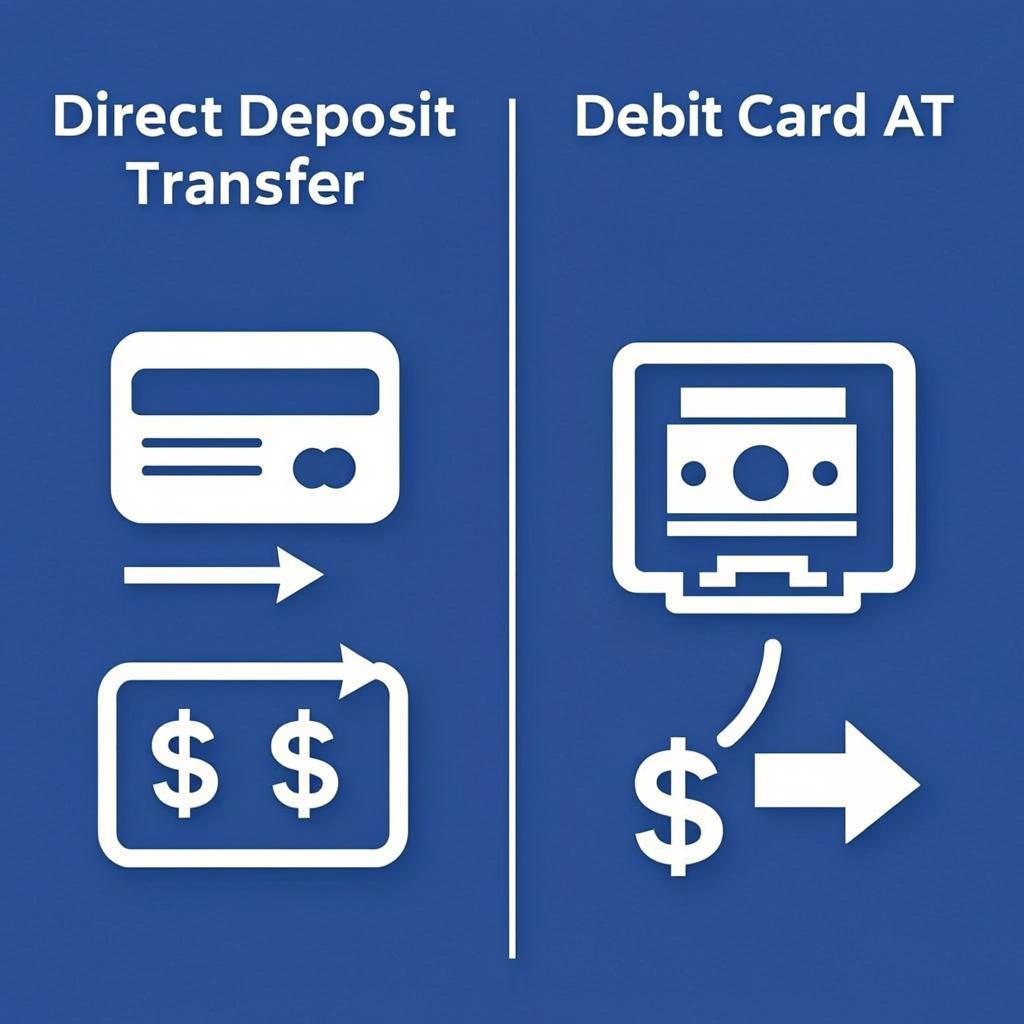
The biggest drawback of the unemployment debit card is the fees. While federal law requires states to provide at least one free way to access your money, the fee structure around that free access can be confusing and costly if you are not careful. Common fees include ATM withdrawal fees if you use an out-of-network ATM, which typically range from $1.50 to $3.50 per withdrawal. Some cards charge a fee for balance inquiries at ATMs, even if you do not make a withdrawal. There may also be fees for transferring money from the card to your bank account, especially if you need the transfer to happen quickly rather than waiting for the standard ACH timeline.
Inactivity fees are another concern. If you do not use the card for a certain period, typically 90 days, some cards start charging a monthly inactivity fee that slowly eats away at your remaining balance. Overdraft fees can also apply if you try to make a purchase that exceeds your available balance. Some cards charge a fee for receiving paper statements, and nearly all cards charge for expedited card replacement if yours is lost or stolen. To avoid these fees, use the card at in-network ATMs for free withdrawals, check your balance online or by phone instead of at an ATM, and transfer your funds to a personal bank account as soon as possible. If you are working part-time while receiving benefits, our guide on how part-time work reduces your payment explains the earnings disregard rules.
Security Comparison
Both direct deposit and debit cards have security protections, but they work differently. Direct deposit is generally considered the more secure option because the funds go directly into an account that is protected by federal banking regulations, including FDIC insurance for up to $250,000. If there is an error with your payment, such as an incorrect amount or a missing deposit, you can work with your bank and the unemployment agency to resolve it, and your other account funds are not at risk.
Unemployment debit cards also have protections under federal law. They are covered by Regulation E, which limits your liability for unauthorized transactions to $50 if you report the loss within two business days. However, the practical experience of dealing with a compromised debit card can be more stressful than a direct deposit issue. If someone steals your card or gains access to your PIN, they can drain your benefits before you realize what happened. You will need to report the fraud, wait for a new card to be issued, and potentially wait weeks for the stolen funds to be restored. With direct deposit, a fraudster would need access to your bank account, which is typically protected by more robust security measures including multi-factor authentication and fraud monitoring. If you are concerned about protecting your benefits from fraud, our fraud prevention guide covers common scams and how to avoid them.
States That Do Not Offer Direct Deposit
Most states now offer both direct deposit and debit card options, but a few states still only offer the debit card. If you live in one of these states, you do not have a choice, and you will need to learn how to use the debit card efficiently to minimize fees. As of 2026, the list of states that only offer debit cards is shrinking, but it still includes a handful of jurisdictions. Even in states that do offer direct deposit, the option may not be prominently displayed during the application process, so you should specifically ask about it or look for it in the payment method section of your online claim.
If your state does not offer direct deposit and you want to avoid debit card fees, you can transfer funds from the debit card to your personal bank account. Most state debit cards allow at least one free transfer per payment cycle. This is not as fast as direct deposit because the transfer still goes through the ACH network, which takes one to two business days, but it allows you to consolidate your funds in one place and avoid the ATM and transaction fees that come with using the debit card directly. For more details on how benefits are calculated, our benefit calculation guide explains the formula each state uses.
Frequently Asked Questions
Can I switch from a debit card to direct deposit after my claim is approved? Yes, in most states you can change your payment method at any time. You will need to log into your online claim account or call the unemployment office to make the switch. The change typically takes one to two payment cycles to take effect, so you may receive one or two more payments on your debit card before direct deposit kicks in.
What if I do not have a bank account? If you do not have a bank account, the debit card is your only option. You can use the card to make purchases directly, withdraw cash from in-network ATMs for free, or use it to pay bills online. Some claimants also use the debit card as a stepping stone while they open a bank account, then switch to direct deposit once the account is set up. Understanding what happens after you file can help you plan your finances during the waiting period.
Are unemployment debit card benefits taxable? Yes, unemployment benefits are taxable federal income regardless of how you receive them. Whether you get paid by direct deposit or debit card, you are responsible for reporting the income on your tax return. You can choose to have taxes withheld from your payments, which is generally easier to set up with direct deposit. Our tax guide explains how to handle withholding and reporting.
Disclaimer:This article provides general information about unemployment payment methods. Payment options, fee structures, and processing times vary by state and are subject to change. Always verify current options with your state's unemployment agency. If you need personalized financial advice, consult a qualified professional.